The Role of AI in Construction Project Management
The construction industry has traditionally relied on manual processes, extensive paperwork, and human intuition to manage large-scale projects. However, the sheer complexity of modern builds demands a more sophisticated approach to keep everything on track. Artificial intelligence has emerged as a transformative force in construction project management, offering tools that can process vast amounts of data in fractions of a second. By integrating machine learning algorithms and advanced analytics into daily operations, firms are finding new ways to improve efficiency, reduce costly errors, and ensure safer working environments. The shift towards artificial intelligence is fundamentally changing how project managers plan, execute, and deliver their developments from the ground up.
Enhancing predictive capabilities and risk management
One of the most significant advantages of artificial intelligence in this sector is its ability to forecast potential issues before they manifest on the building site. Predictive analytics models analyse historical project data alongside real-time inputs such as weather conditions, supply chain disruptions, and workforce availability. By identifying patterns that human overseers might overlook, these intelligent systems can predict potential delays and budget overruns with remarkable accuracy. Project managers can use these insights to proactively adjust their strategies, ensuring that minor setbacks do not snowball into catastrophic failures.
Risk management extends beyond just timelines and budgets, encompassing the physical safety of the labour force working on site. Artificial intelligence systems can integrate with cameras and wearable sensors to monitor compliance with safety protocols in real time. If a worker enters a hazardous zone without the appropriate protective gear, the system can instantly alert site supervisors to intervene. This constant, unblinking oversight helps to minimise workplace accidents and ensures that health and safety regulations are strictly enforced, ultimately protecting both the workers and the firm from severe liabilities.
Streamlining resource allocation and scheduling
Managing resources efficiently is a constant challenge for any project manager, as materials, machinery, and labour must be perfectly synchronised to avoid costly downtime. Artificial intelligence algorithms excel at complex scheduling tasks, constantly recalculating the optimal sequence of events based on the current reality of the building site. If a crucial delivery of steel is delayed by two days, the system automatically adjusts the schedule, reassigning workers to other critical path tasks so that productivity never stalls. This dynamic approach to scheduling ensures that resources are always utilised to their maximum potential.
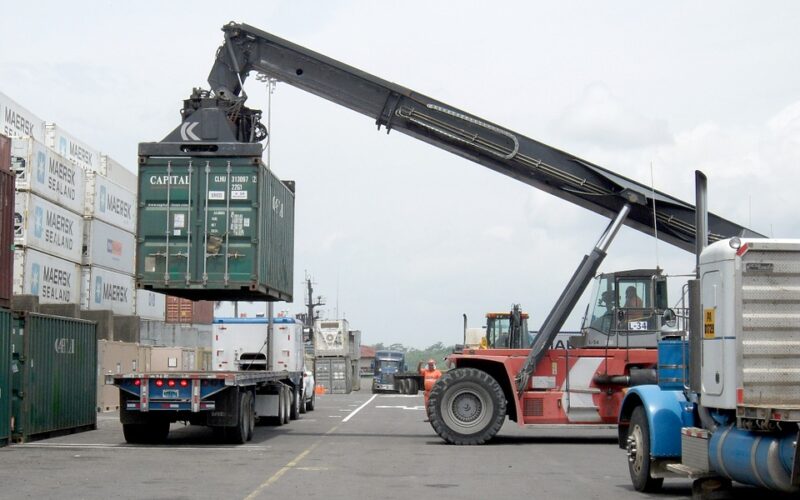
The optimisation of resources also applies to the machinery and heavy equipment used throughout the construction process. Machine learning models can predict when a piece of equipment is likely to fail by analysing vibration, temperature, and performance data. This predictive maintenance allows project managers to schedule repairs during off-hours, rather than experiencing unexpected breakdowns during peak operational times. Consequently, construction firms save substantial amounts of money on emergency repairs whilst keeping their projects moving forward without unnecessary interruptions.
The future of artificial intelligence in construction
As the technology continues to evolve, the integration of artificial intelligence into construction project management will transition from a competitive advantage to an absolute necessity. Firms that hesitate to adopt these digital tools will likely find themselves outpaced by rivals who can deliver projects faster, safer, and more cost-effectively. The initial investment in these advanced software systems is often quickly offset by the massive reductions in wasted materials, overtime pay, and delayed completion penalties. Embracing this technological shift requires a cultural change within the organisation, encouraging traditional workers to trust and utilise data-driven insights.
Ultimately, artificial intelligence is not designed to replace the human project manager, but rather to augment their capabilities and remove the burden of tedious administrative tasks. By handling the complex data processing and providing clear, actionable recommendations, intelligent systems free up human professionals to focus on relationship management, strategic decision-making, and creative problem-solving. As the collaboration between human expertise and machine intelligence deepens, the construction industry will reach unprecedented levels of efficiency, fundamentally reshaping the built environment for generations to come.